
I was fortunate to have received quite a bit of information about what foods to eat (and avoid) following my ileostomy surgery. The information was quite important because it was aimed to not only prevent dehydration but also to avoid potential blockages.
Because our stoma swells up after surgery, we can’t eat meals that would be hard to pass through that swollen stoma.
Knowing how to reduce the risk of blockages is important (saving you a trip from the ER!).
Disclaimer: Your doctor or stoma nurse should be able to provide recommendations during this initial healing period. The usual time on this post-op diet is 6 weeks, but your surgeon may require you to be on it longer (or shorter) depending on your progress. This post focuses on ileostomy post-operative care based on my own experience. Many of the foods and suggestions that are given would apply to colostomies too.
Table of Contents
Video

By playing the above video you agree to YouTube's Terms and Conditions and Privacy Policy
Dietary Goals for the First 6 Weeks
- Maintain adequate hydration and electrolyte balance.
- Avoid foods that are likely to cause blockages. These are often high-fiber or high-residue foods.
- Avoid food/beverages that increase output too much.
- Learn to chew! Practice mindful eating.
- Eat smaller meals throughout the day.
- Keep nutrition high. Vitamins, minerals, and protein will help you heal.
- Eat enough to maintain a healthy weight (or to increase it if you’re underweight).

Food to Eat and Avoid
Here’s a list of common foods that are deemed “safe” to eat following surgery, as well as common foods that should be avoided during the healing phase. I’ve compiled this list from various sources, but I’ve tailored it in a way that substitutes animal products; this means that anyone will be able to make use if this list.
Beverages
| Beverages to Include | Beverages to Avoid |
|---|---|
| When it comes to avoiding blockages, just about every beverage is “safe”. | Some drinks may increase output (alcohol, certain fruit juices, coffee, cola, etc.) or produce more gas (carbonated drinks). Keep track of the ones that do, and avoid them. |
| A guide to keeping hydrated can be found HERE. | Alcohol should be avoided during this period, not only to help avoid dehydration but also because you may be taking pain meds which may interact negatively with alcoholic beverages. |

Grains
| Grain Products to Include | Grain Products to Avoid |
|---|---|
| Bread, including pita bread, flatbread, and wraps | Any products that have whole grains, seeds, dried fruit, bran or added fiber. |
| Pasta, noodles, vermicelli, couscous | Brown and wild rice |
| White rice | |
| Cereal (not whole grain), including oatmeal. | |
| Cookies, oatmeal cookies | |
| Crackers |
Fruits and Vegetables
| Fruits and Vegetables to Include | Fruits and Vegetables to Avoid |
|---|---|
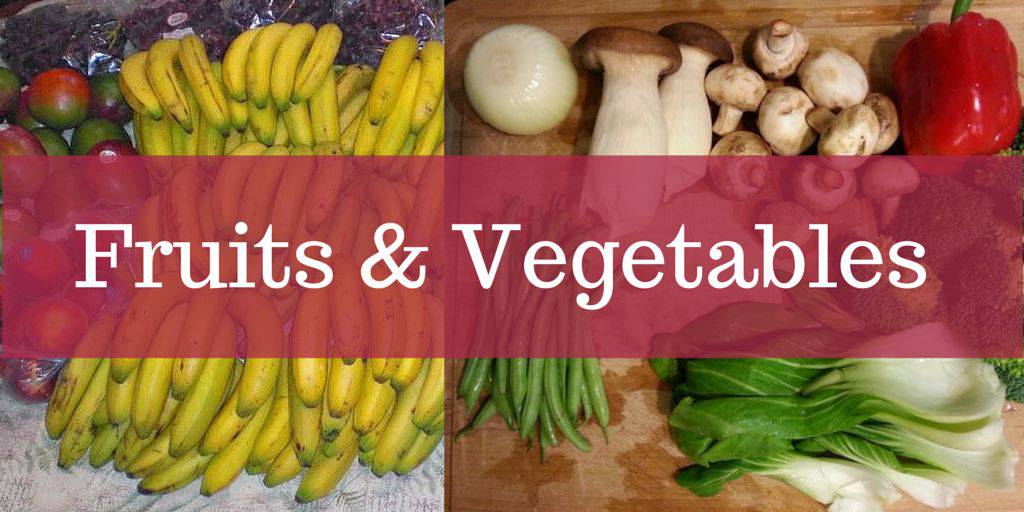
| Vegetable juice (like V8) are excellent. Carrot juice and tomato juice on their own are great too. | Asparagus, raw beans, raw carrots, broccoli, cabbage (incl. sauerkraut, tomatoes, celery, etc.) |
| Apple sauce, well-cooked apples (without the skin). | Corn and corn products. |
| Canned fruits and veg (I found canned peaches, canned carrots, canned green beans and canned beets worked really well). | Mushrooms (all types, even if they are canned) |
| Most smooth baby food (don’t laugh, this one can help a lot!). | Grapes, whole apple, pineapple, whole mango, etc. |
| Bananas, plantains. | Dried fruits. |
| Cooked veg are usually fine as long as they are soft (no skins, no seeds). | Fruit jam (with seeds). |
| Tomato sauce (without seeds). | Greens (spinach, lettuce, bok choy, kale). |
| Potatoes without the skin (mashed, boiled, microwaved, steamed, baked). | Skins of fruits and vegetables. |
| Sweet potatoes (without skin) and squash. | Seeds in fruits and vegetables. |
| Soups made from blended veg or broths. | Coconuts (even shredded). |
| Avocados. Great to add over potatoes or as a spread. | |
| Fruit jelly. |

Non-Dairy Products
Dairy alternatives:
- Non-dairy milk (soy, almond, hemp, coconut, rice, etc.).
- Non-dairy yogurt.
- Non-dairy cheese.
- Sorbet or non-dairy ice cream.
Avoid any of these products if they have fruit pieces in them (i.e. in yogurt).
Protein-Rich Foods
| Protein-Rich Foods to Include | Protein-Rich Foods to Avoid |
|---|---|
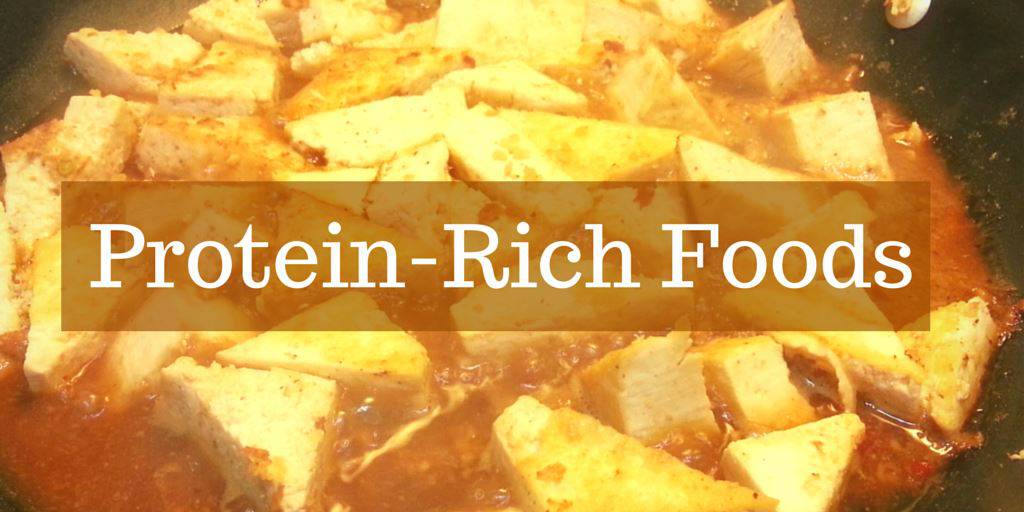
| Tofu. | Chunky nut/seed butter, whole nuts, and seeds. |
| Seitan (wheat gluten); ease into this one if you haven’t had it before. | Legumes including Adzuki beans, black beans, chickpeas (garbanzo beans), kidney beans, lentils, lima beans, mung beans, whole soybeans (including edamame). |
| Most mock meat products are safe, high in protein, fortified with vitamins and minerals and taste great. | Tempeh. |
| Smooth nut and seed butter (almond, peanut, sunflower seed, cashew, etc.). | |
| Hummus (avoid whole chickpeas). | |
| Many of the non-dairy products are high in protein. |

Fats and Oils
While these are usually foods to avoid for optimal health, they can be a source of much-needed calories during recovery and can help make bland foods more palatable.
- Vegan margarine.
- Vegan mayo.
- Oils are considered “safe” for new ileostomates, but olive and flax oil are the healthiest of the bunch.
- Coconut oil can be used to cook with, or as a spread on bread.

Other Foods and Supplements
| Other Food and Supplements that may be Included | Other Food and Supplements to Avoid |
|---|---|
| Protein powder may offer some benefits if you aren’t able to eat enough during the day. For my recovery, I went with THIS product. | Avoid condiments and garnishes with seeds or chunks (certain mustard, relish, olives, some salsa, etc.) |
| Your doctor may recommend a multivitamin during the recovery phase; when choosing one, be sure that it’s not a slow-release version, or it may pass through your system without being fully absorbed. More info HERE. | Popcorn and corn chips should be avoided. |
| Most condiments, like ketchup, vinegar or mustard are safe. | Artificial sweeteners may increase output, so keep an eye out when consuming “sugar-free” or “low-calorie” products. |
| While candies are generally safe, they are empty calories. | |
| Potato chips are usually well tolerated and can provide both sodium and calories, but will also help slow down your output. |
Pro Tips
- If you have access to a Registered Dietitian that understands the challenges of having an ostomy (or IBD), you’ll be able to get a personalized meal plan through them. Here is an article I wrote about how to find a dietitian HERE.
- Try to have a variety of foods to make sure that you’re balancing nutrients.
- Keep a food diary to monitor effects of certain food or drink, then adjust your diet accordingly.
- Keep snack foods close by if you aren’t feeling well enough to cook or you don’t have any help following surgery.
- Log your food intake so you can track calories and nutrients. I’ve used and still recommend CRON-o-meter.
- If pouch odor is a concern for you, I’ve put together a handy guide on controlling it HERE.
- When you’ve received the OK to start a normal diet, try new foods slowly so you can test to make sure they are passing through your stoma without trouble. Most people will be able to continue eating healthfully with only a few (if any) limitations.
- The following foods and beverages can cause a dramatic change in your output’s consistency. You’ll likely be able to catch the culprit within hours of consuming them:
- Coffee or tea
- Sport drinks
- Soda/Pop/Soft drinks (both diet and regular )
- Fruit juices
- Chocolate
- Certain fruits (for me it’s cherries)
- Artificial sweeteners
- Alcoholic beverages (especially wine)
- Fried foods
- Hot/spicy foods
- Non-vegan foods like dairy (or other lactose-containing food, if lactose intolerant)
Further Reading
- Done your recovery? See what’s on the menu past your initial six weeks HERE.
- To see what I was eating shortly after my surgery (along with nutritional profiles of those meals), please refer to THIS from approx. 2 weeks post-op, and THIS post from approx. 3.5 weeks post-op.
- For more ideas on what foods to eat when eating is difficult, check out THIS article.
- For ways to enhance nutrient absorption, consider reading THIS article.
Question: Do you have any tips to share?


My side says February 4th 2018 ..yours also.
I believe it’s April 2nd. Right?
I just noticed the dates are off. It’s showing Feb 4th.. My how time flies. Lol
You have it back wards my friend……….. :-)
Not sure what you mean? I was talking about the date showing on our replies? M oh necsays 2 – 4th yours did to. Maybe it’s on my side. I will check.
I am 4 months out from Colostomy. Much knowledge learned from Vegan Ostomy ( Eric) Like I’ve mentioned before, I came home totally lost. I was lucky to come across Vegan Ostomy. My first 3 Home care Nurses were just not into either helping me or their mind was on something else. I finally lucked out an got an awesome Nurse?! Whom " knew" what she was doing. Between Eric and my Nurse, I grew up, when it come to what we eat, which Ostomy we have, we are our own advocate. It’s called testing, trying. We are all different. I’m lucky. I’ve had no blockages not even close!!! Yes, I eat berries. There’s no much I don’t eat. I also chew, chew, chew. Someone told me that? Hummm.. Wonder who? Eric guides us, it’s up to us to determine what’s wrong. I’ve learned that my 5 Doctors don’t know everything, in fact they learn and listen. Ask questions. They don’t go home with us. Your gonna come across issues that will make you doubt yourself, want to give up!! I’ve been on the floor with prayers a few times. Yes, it’s a set back, or maybe not. I’m alive!! I’ve fought the challenges like all of you with pouches, barriers , you name it. There are really great Ostimates on this sight with alot of knowledge. It’s your choice, your decision on your care, only you. I asked some questions to Eric many times, which I thought was silly. Eric has always handled Answers, situations with respect. I’m fortunate he’s taken his time, with little income to do this on his own. I learned a heck of alot. I became more confident. It’s up to us to be happy. I know going through Cancer treatment their were others worse off. I’m lucky. I was given a chance. God Bless all of you. Hang in there, life is worth it. 😉😊😃
Your doing good Kerby !!!!!!!!!!! It takes a good year to get us straightened out–but we get there right? Our pouching systems, eating regular foods again. We know our bodies best.sending you healthy wishes. M.
Thank you.. :)
Hi all. I saw the post from Bettina re: diabetes. When I had my ostomy the nurse gave me a list of foods that I should not eat that would “give me all kinds of problems if I ate them". Among them were lettuce spinach seeds Etc. I came home reading that list of foods and realizing that I also had an anti-inflammatory diet because I have severe rheumatoid arthritis and I also count carbs because I’m Type 1 diabetic. As I looked at those diets I realized suddenly that there was nothing that I could eat and thet I was going to slowly starve to death. I went to my primary care doctor and while I was there in a lighter moment she suggested that I could eat ribeye steaks with caramel sauce (please note it was a moment that needed a laugh and i did..the laugh was much needed) she then suggested that I talk to the education people in my endocrinologist office and find out if one of them was a dietitian. And sure enough one of them was I should have known that right from the beginning but I made an appointment and got in to see her. I showed her all of the information that had been given me. She was already aware of the anti-inflammatory issues and my diabetic issues. As she talked to me we decided that the best thing for me was to continue to follow my diabetic diet as the basis to build on. I am type one and I carb count. And I am well familiar with the different types of carbohydrates and how they affect me. She then suggested that after that I take the lists that were given to me for anti-inflammatory and for the ostomy and add foods to my diet from those diets at to see how they worked out. Kind of like a test add something and see if it works out okay. We already knew that seeds would not be good for me especially strawberry seeds, tomato seeds, and sesame seeds and others that are tiny seeds. My ostomy was as a result of diverticulitis that was ready to rupture. Something had gotten lodged in one of the diverticula in my colon and had fermented and was infected and ready to explode. I was told by my doctor that I still had diverticuli in the part of my colon that is left (I have a little less than half my colon left) and that I could have another incident caused by small seeds and things like that. So in my case I avoid seeds like the plague. Just because I don’t want to go through that kind of pain and more surgery again. In addition to the suggestions for adding foods and testing them basing it on my diabetic carb counting she also suggested that the FODMAP diet would be helpful ( yup She added another diet to the list, but it is helpful. I will give you the definition from literature she gave me. “FODMAPS are a group of small chain carbohydrates (sugars and fibers) that are commonly malabsorbed in the small intestine. Fodmaps are abundant in the diet and can be found in everyday foods such as wheat, barley, Rye, apples, mango, onion, garlic, honey, kidney beans, cashew nuts, agave syrup, sugar-free gum, mints and some medications to name a few. Up to 75% of those who suffer with IBS will benefit from a dietary restriction of fodmaps research has shown the low FODMAP diet improves GI symptoms for many people." There is a lot of information on the internet about fodmaps if you have not heard about them. As I said I have found them helpful for me it has made me more secure in what I do eat and I feel like I have gotten along a lot better. I’m no longer afraid to open the refrigerator and eat something. Hope maybe some of this information helps somebody out there.