

Nothing can be more upsetting to an ostomate than leaks. While they’re often easy enough to deal with when you’ve got your supplies at hand, they are still an inconvenience, and quite embarrassing.
Table of Contents
Intro
Leaks can start in a number of different ways, but fortunately, we have a lot of options for dealing with them. In this article, I hope to give you some insight into the most common causes and ways of dealing with them.
As always, speak to your stoma nurse if you have ongoing issues with your appliance or skin – these are tips that I’ve used myself, and I’ve had my fair share of leaks over the years.
Video

By playing the above video you agree to YouTube's Terms and Conditions and Privacy Policy
Possible Causes & Their Solutions
The first step when trying to solve a problem with leaks is to find the cause. This may or may not be easy, or obvious, but there are a few things that can cause a leak, and knowing what to look for can help you figure things out quickly.

Improper Appliance Fit
These types of leaks are common in the first month after surgery, because our stoma is often swollen for some time, and as it shrinks, it leaves a larger gap for output to get in through. If you’re a new ostomate, don’t be discouraged by this! Once your stoma settles, and you get the hang of your appliance changes, it will get better.
Info: To learn more about why a stoma changes size or shape, please check out THIS article.
It’s important to follow your stoma nurses instructions when it comes to changing your appliance, especially if you have a stoma that’s irregularly shaped (like a loop ileostomy), but the process for most ostomates is pretty straightforward.
Info: A guide on how to change your ostomy appliance can be found HERE.
If you use a pre-cut or cut-to-fit wafer, it’s important to make sure that the hole your stoma goes through has a gap of about 1/8″ around it. Don’t worry about this gap – wafers will swell and fill it up that gap like magic!

If you’re using a moldable wafer, it’s suggested that the hole fits exactly around your stoma with no gap.
Moldable wafers should also be sampled to see if they work better than a pre-cut or cut-to-fit wafer. Both Hollister and ConvaTec have moldable wafers, but there may be others brands that have their own versions as well.
Flush or Retracted Stoma
Ideally, your stoma should stick out a bit, to allow output to fall away from your skin, but some ostomates aren’t so lucky. A stoma that doesn’t stick out enough, or is retracted, can cause leaks because output goes under the wafer instead of into the bottom of the bag.
If your stoma is flush with your skin or it retracts below the skin, you may need to use a convex wafer. The convexity pushes on the skin around your stoma and helps the stoma to pop out a bit, which many ostomates find dramatically reduces leaks.

There is one caveat, though: using convex wafers improperly can lead to pressure sores. If you have a flush or recessed stoma, have your ET nurse assess and recommend the right wafer. Some brands offer “deep convexity” and others “mild”, so you do have options!
I also want to add that even if your stoma sticks out, it’s normal for it to expand and contract, which you’ll probably see happening if you wear a clear pouch. This is caused by peristalsis and is often not enough to cause a leak. I do notice, however, that when I have a blockage (full or partial), my stoma will retract in waves as peristalsis tries to push things through. This has caused leaks for me, as the output gets pushed under the wafer, but resolving the blockage (and preventing it in the future) corrects this.
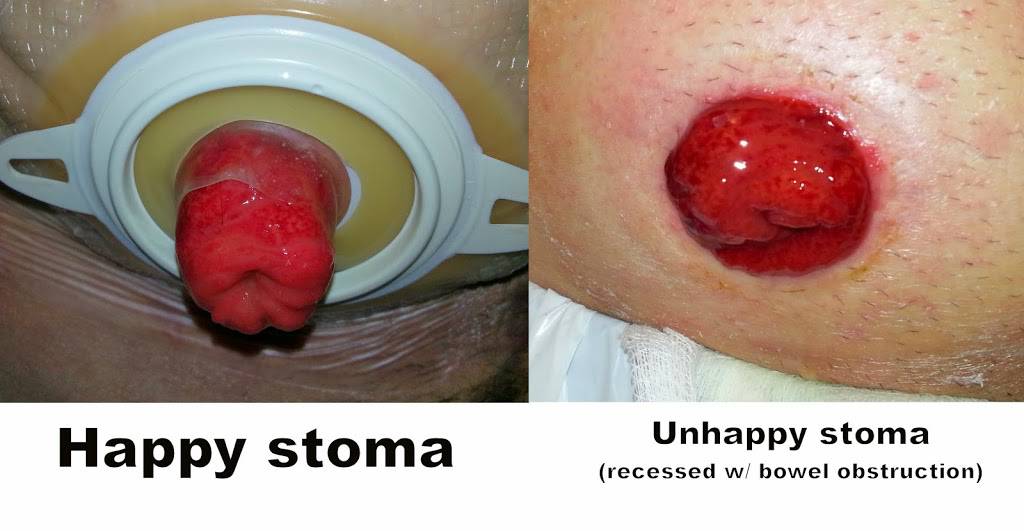
Stomas may become retracted or even prolapsed due to surgical complications or errors. This can be common when a stoma site marking hasn’t been made prior to surgery. If you have a misplaced stoma, it’s best to speak with your surgeon about possibly revising it.
Parastomal Hernia
If you’ve got a hernia around or under your stoma, chances are that it’s causing some issues for you.
Some hernias can be repaired through surgery, but you can also try special hernia support belts that apply pressure to keep a hernia down.
I would strongly suggest speaking with your surgeon or stoma nurse if you’re struggling to cope with a hernia.
Skin Allergies
Unfortunately, allergies to the adhesives used in wafers do happen, and they often cause problems with wafers sticking to skin. If this happens, you may get leaks because you aren’t getting a proper seal around your stoma.
I would suggest talking to a stoma nurse to find ways of dealing with allergies. Sometimes, it may simply involve trying another brand of wafer, but if your skin is really sore and raw, it will need wound care.
Improper Skin Care
Did you know that your hair conditioner and/or shampoo can cause your wafer not to stick right? Anything you use on your skin can leave a residue, so it’s crucial to make sure that your skin is free of residue from any products you use (whether they are ostomy products or not).
It’s also important not to use skin moisturizer or oils near your stoma, including soaps that contain moisturizer or skin conditioners.
Some ostomates use baby wipes, which often contain ingredients that will stay on your skin and impact your wafer. If you need to use wipes, find one that’s made for cleaning peristomal skin, and make sure you rinse the skin after using it.
If you are using an adhesive remover when doing appliance changes, make sure to thoroughly wash your skin to remove all residue that it’s left behind. Some adhesive removers are better than others when it comes to washing off clean, so try a few to see which you prefer (but stay away from AllKare wipes, unless you want to spend a frustrating amount of time removing it from your skin!)
Applying your wafer when your skin is dry is also very important if you want a good seal.
Skin Folds, Creases, and Scars Around the Stoma
Let’s face it, our skin changes, and these changes can cause trouble for our appliance. Our weight, age, or surgical scars can create divots and creases around our stoma, which can offer up a nice opportunity for leaks to tunnel under your wafer.
The most common way of dealing with this is to use stoma paste, barrier rings, or a combination of the two.
Get in touch with a stoma nurse if your leaks are caused by uneven skin, and they’ll help to give you specific instructions that are unique to your situation.
Abdominal Hair
Yup, having hairy skin can create leaks by causing the output to tunnel under your wafer as hair pushes against the adhesive.
Info: I have a post a full guide to shaving the skin around your stoma, which you can check out HERE, but this should be an easy one to correct.
Pancaking (Stool Suck Around the Stoma)
Pancaking is when the output from your stoma collects near the top of your pouch or around your stoma without falling to the bottom of the bag like it should. This can not only be annoying when you’re trying to empty your pouch, but it can also lead to leaks if your output pushes outwards on your appliance.
Info: I have an article and video which covers strategies on deal with pancaking, and you can find it HERE.
Ballooning (When Gas Fills Your Pouch)
Perhaps the most common reason why I get night time leaks is ballooning. This happens when gas fills your pouch without any escape. Naturally, as pressure builds up, the gas finds its way under the appliance, resulting in a leak.
The ideal way of dealing with ballooning is to use an appliance with an effective filter (easier said than done!). This may be something that you’ll have to experiment with, as some filters work better than others, and some are downright useless.
If you find a filter that works, but clogs after a few days, swap the pouch more often (if you use a 2pc), or replace your appliance more often (if using a 1pc). I have seen pouches that have removable filters (ConvaTec and Hollister have offered them before), but they are less common.
Other Ways of Dealing with Ballooning
- Keeping a food diary to help identify gas-causing foods, and eliminate/reduce those foods.
- Regular meals will help keep gas to a minimum.
- Digestive enzymes with food may help to reduce gas caused by eating certain foods.
- Waking up at night to release gas/empty your pouch.
- Periodically venting your pouch (do this away from other people, please!) by allowing gas to escape between the flange coupling or by using a product like the Osto EZ-Vent.
Info: For an in-depth article on how to tackle ballooning, please click HERE
Weak or Incompatible Adhesive
Different adhesives and materials are used in wafers, but not all work equally well on everyone’s skin.
Most manufacturers like Coloplast, Hollister or ConvaTec will offer both regular wear (standard wear) or extended wear products. If you plan to wear your appliance for more than few days, it might be worth looking into extended wear products, especially if you have liquid output.
You may need to experiment with different wafers before finding one that sticks well to your skin. In my experience, regular wear wafers begin to peel within 24 hours, and I often don’t feel secure in them. When I do wear regular wear products, I find that wafer extenders can help to keep things fitting better.
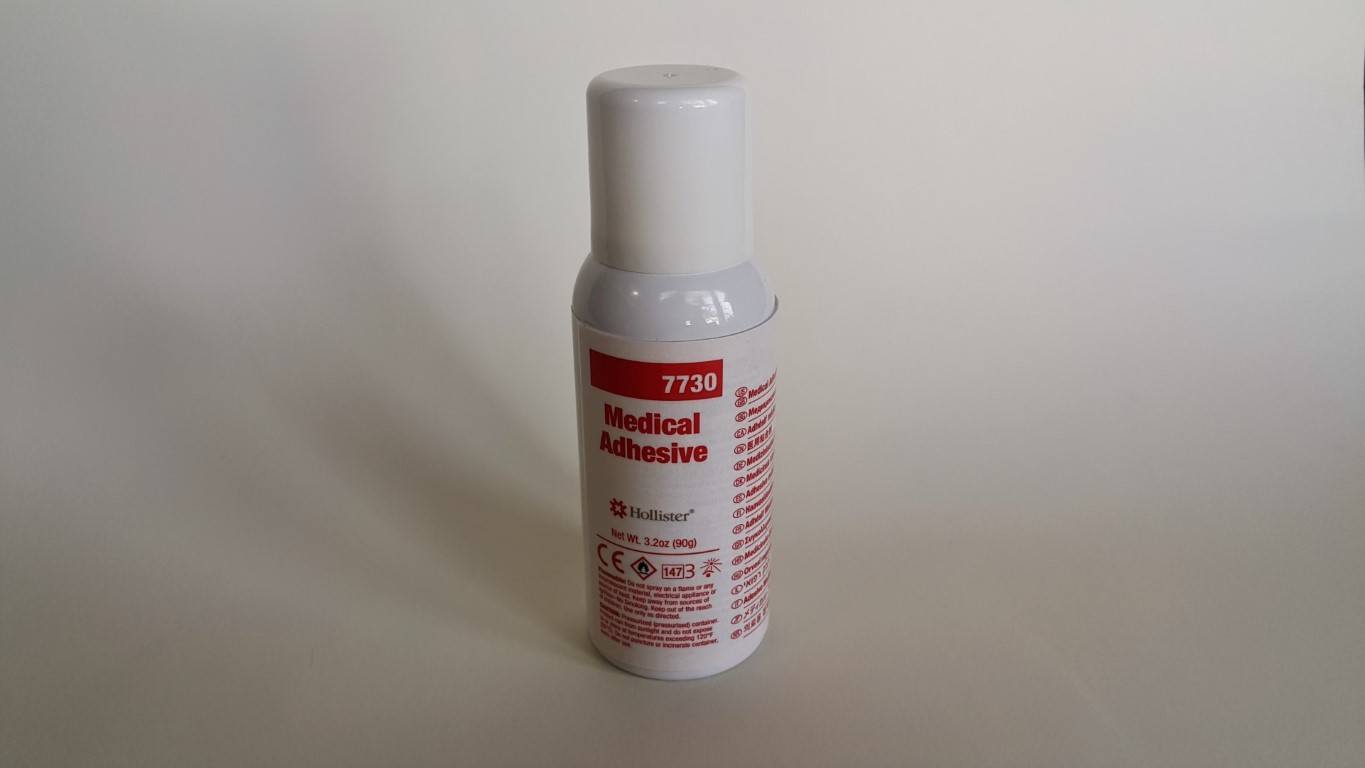
You may also decide to use an adhesive product on your wafer to improve how well it sticks. I have more information about those adhesives HERE.
Info: I’ve also put together more information about wafers HERE.
Overusing or Misusing Supplies
Admit it, sometimes we go overboard with the supplies we have. The goal when wearing an appliance is to use as few products as possible to achieve a good fit and long-wear. Sometimes, that might mean using a moldable ring or barrier wipe, but it’s often not necessary to use four, five or six different products at the same time.
One example of this is how some people use stoma powder. It’s not something you dump on your skin and slap a wafer on top of!
Another example is barrier wipes. Did you know that most extended wear wafers should NOT be used over barrier wipes because it affects the adhesive properties?
Use products only if indicated or if your stoma nurse suggests that you do; you may only be instructed to use these supplies temporarily in order to correct an acute skin problem, but most of the time, less is best.
Letting Pouch Get Too Full / Improper Support
I’ve been guilty of letting my pouch fill up way too much before emptying it – call me lazy, but it happens. You may have a high-output stoma that fills before you get a chance to find a toilet, so it’s not always about something you have much control over.
It is often recommended that we empty our pouches when it gets to about 1/3 full. When you let your bag get too full and heavy, it naturally tugs on your skin and can cause a leak.
The easiest way to avoid this is to simply empty your pouch before it gets too full, but if you need a little more support, try a support garment or accessory belt (which hooks onto the belt loops on your appliance).

Be mindful if you’re wearing a large bag since 1/3 full is still going to be heavy enough to tug on your wafer.
Info: For more on when to empty an ostomy appliance, check out THIS article.
Waiting Too Long to Change Your Appliance
I know supplies can be expensive, and changing them can be time-consuming, but if you’re wearing your appliance longer than you should, you’re going to end up with leaks or skin problems.
There really is no right or wrong length of time to wear an ostomy appliance, and some people change their wafer every day while others go seven (or more) days with the same wafer. A lot will depend on the condition of your skin, quality of the wafer, how much you sweat, how much water exposure you get, if you’re using skin products, and so on.
As you become accustomed to having an ostomy, you’ll likely have a regular schedule for appliance changes that’ll keep your wear time consistent. There may be special cases when this schedule can’t be kept, and it’s important to keep in mind that if you experience any burning or itching under your wafer, it’s probably time to change that appliance.
Most regular wear wafers are designed to be worn for approx. 2-3 days, while extended wear get 5-7. Some are also designed to handle ileostomy (or liquid) output and break down slower than standard wafers do. Check with your supplier to make sure you’re using one that’s right for your output.
Info: I have a special article on how to know when it’s time to change your appliance HERE.
Liquid Output
Liquid output can cause leaks to happen more often, but there are ways of dealing with it.
Gelling products are my favorite way of dealing with liquid output, since it doesn’t force me to change my dietary habits, but it’s only one of many ways to tackle this problem.

Barrier rings, stoma paste, stoma collars and moldable wafers are other products you can use to help with leaks due to liquid output. You should also make sure that the wafer you ‘re using is designed for liquid output (some do better than others).
Info: I’ve written a guide on how to deal with liquid output HERE.
Overnight Leaks
While we can prevent or deal with most problems that occur during the day, many ostomates (including yours truly) have nighttime leaks.
For me, ballooning is often the cause of overnight leaks, but sometimes it’s just a matter of my pouch getting too full before I wake up.
If you’re a new ostomate, you’ll likely be getting up several times in the middle of the night to empty your pouch, but if you find that your pouch is filling up long after your surgery, you may need to get creative: Try setting an alarm in the middle of the night or use a higher-capacity pouch.
In some cases, a night drainage system might be worth looking at. I explore the different options in my post about ostomy pouches HERE.

Most people will suggest not eating after a certain time so your stoma is less active at night. To be honest, I’ve experimented with not eating past six but find that only affects my output in the following morning and early afternoon, not at night. Experiment to see if eating (or not eating) at a certain time helps you with nighttime leaks.
Changing Products Too Often
Ok, this might only be a problem for people like myself, but if you’re in the habit of using different brands of products every time you change your appliance, you’re probably not doing yourself any favors!
I like to try new things, but I always give myself, at least, two weeks before settling down with a product. I’ve noticed that my skin doesn’t adjust to new products until after that time has passed; sometimes I don’t notice problems until I’ve worn a product for at least two weeks!
This is one reason why my product reviews are based on extended usage and not just a few days.
It’s Not You, It’s Your Appliance
As much as we might fall in love with a certain brand or appliance, sometimes they just don’t work for us. I would always suggest getting samples of new products to try and see which one works best for you.
While I have reviewed several appliances, my experience may still be different from yours, so try samples whenever you can, and don’t be afraid to look for something better!
Expired, Damaged or Faulty Product
This doesn’t happen often, but I think it should be mentioned since I’ve not only experienced this but have had other ostomates mention this as well.
Ostomy products sometimes to bad (past their expiry date), become damaged by extreme temperature changes, or simply ship as part of a bad batch. When this occurs, your adhesives may not stick well, or the products may simply fail sooner than they should.

It’s always important to store ostomy products within the guidelines given on the box or instructions that come with each product.
Always use ostomy supplies before their expiry date, and much sooner if you’ve broken any air-tight “freshness seals” on bottles or packages.
If you believe that you received a faulty product, contact your supplier or the manufacturer of that product to report it; you’ll often receive a replacement at no extra cost to you.
Info: For more details on how to identify expired products, please check out THIS article.
Your Seat Belt
Because seat belts tend to come over your appliance and put pressure where it may not be welcome, they can also be a problem for ostomates.
If you get leaks because of your seat belt, consider a seat belt protector like THIS or THIS.
They go on your seat belt and over your stoma, but they don’t put pressure on your appliance while keeping you safe at the same time.
Your Accessory Belt / Stoma Guard / Support Garment is on Too Tight
Sometimes the accessories that are supposed to help us can cause more harm than good!
If you use an accessory belt to keep your pouch supported, make sure that it’s not going on too tight. If your accessory belt is too tight it can tug on the side of your flange and cause a leak – it can also cause pressure sores and other skin issues that you really don’t want to have to deal with.
The same goes for other products like stoma guards or other support garments. These accessories often go over your entire appliance and if they are too tight or don’t allow your output to drop into the bottom of your bag easily then they can push back and under your wafer (causing a leak).
BONUS: Pouch Leaks
Most leaks happen under your wafer, but there are situations where you may experience a leak from your bag. The most common reasons why bags leak are as follows:
Clogged Filter
Clogged filters can sometimes seep output through them. If this happens occasionally, you can cover the filter with tape (on the outside of your pouch) or replace the pouch with a fresh one. If this often happens, I’d suggest looking for a new brand of pouch that offers a better filter.
I have an entire guide to the uses of ostomy filter stickers HERE.
Bag Not Attached Properly to Wafer
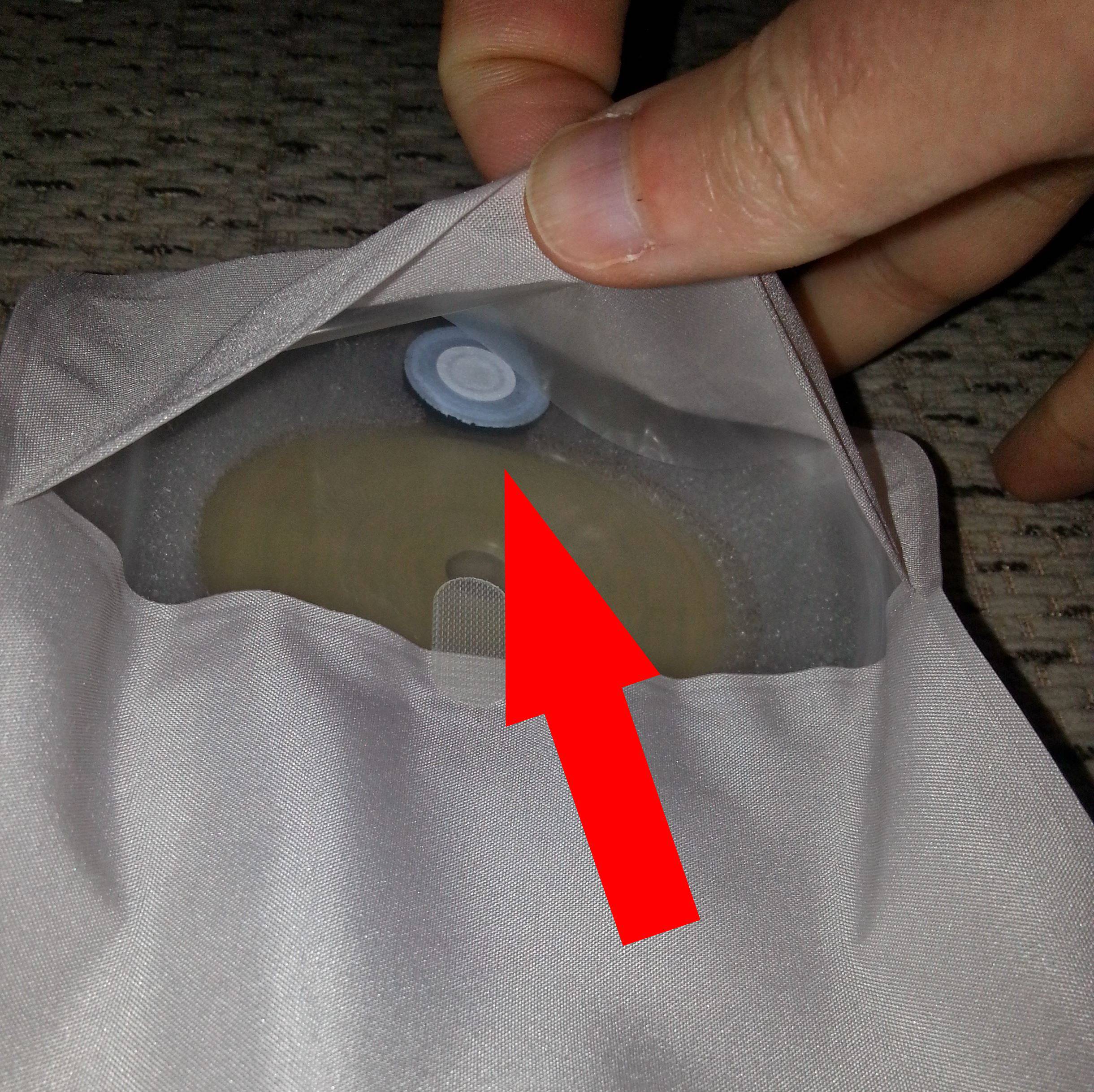
On a two-piece appliance, there’s always a very small risk that you can get leaks where the pouch connects to the wafer via the flange (called a coupling).
It’s important to make sure that your mechanical coupling snaps together and is locked in place (if your pouch has that feature). You can give it a little tug to make sure that it’s secure.
If you’re using an adhesive coupling, make sure that the surface you are sticking your bag to is clean and free of any moisture. You’ll also want to make sure that the adhesive is smoothed out and that there are no bubbles or creases in it.
Info: You can see some examples of the different coupling systems available on THIS post.
Physical Damage to the Pouch
If you let your cats sleep on your stomach, be prepared to have your pouch punctured from time to time. Other than avoidance, keep your pouch protected around things that can damage it, or try a stoma guard.
Leaks From the Pouch Outlet
If you use a drainable pouch, it is crucial to make sure that you are cleaning the outlet properly between pouch emptying; leaving stool at the end of the outlet will create leaks and odor.
One trick I use is to roll up toilet paper and feed it into the end of my outlet about 2-3 inches in, and then twist to clean my appliance.
Info: I’ve put together an entire post on how to empty an ostomy pouch, and I explain my technique for cleaning it HERE.
Sometimes, the closure locks that we use don’t work very well; in the case of clips, they can snag and come off, while Velcro-like closures can undo if not secured properly.
Obviously, you’ll want to double-check your closure to make sure that it’s being used properly, but if you have frequent issues, I would suggest switching brands or try a different style clip.
Tips
- Learn from previous leaks, like I have from at least ONE occasion.
- Make sure your skin is clean and dry with every appliance change. Sometimes I’ll use a hairdryer or fan my skin with my hands if my skin is still damp after a shower.
- Keep an emergency travel kit with you when you’re leaving the house. Having a leak in public is embarrassing enough, but you’ll want to have supplies with you in an emergency. HERE is my current travel kit.
- For minor leaks, you can TEMPORARILY use tape or a wafer extender over your appliance to keep things sealed, but it’s VERY STRONGLY recommended that you change your appliance as soon as possible so your skin doesn’t become damaged by your output.
- Book an appointment to see a stoma nurse if you’re faced with constant leaks that you can’t stop on your own. A stoma nurse can watch how you change your appliance and might be able to troubleshoot along the way.
- If you’re experiencing frequent leaks, be sure to keep extra supplies on hand so you aren’t caught off guard. An app like OstoBuddy can help you manage those supplies.
- Go easy on stoma powder – too much and you’ll leave little for your wafer to stick to.
- You may need to gently heat your wafer in order for the adhesive to properly bond to your skin. This could also be a combination of pressure after applying your wafer (60-90 seconds should be enough). You can also try taking a hot shower after applying your wafer, as this tends to really help with getting the adhesive to bond better.
- If you are using stoma powder, you may need to apply a liquid barrier product on top of it.
Closing
I hope that this guide has given you some ideas on how to tackle ostomy leaks. In time, you’ll become a pro at handling your ostomy, and you’ll find the best ways of preventing leaks for yourself.
Don’t be discouraged if you get more than one leak; find a stoma nurse that can help you, and you’ll get on the right track soon enough.
Additional Resources
- Do you have sore skin because of your ostomy leaks? HERE is an article about how I’ve healed my skin.
- My mini guide to ostomy supplies will explain a bit more about what supplies are available, and how they are used. You can find that guide HERE.
Question: Have you had problem leaks before? What ended up being the culprit?



Once you start to see some “liquid" infiltrate the wafter like in this picture. Is there any saving it, or is it best to cut your losses and change the system? I do wear a sure seal over my wafers
Hey Michelle,
In an emergency, I will use a wafer extender or waterproof medical tape around the border of the wafer if I discover a leak like that and just need some time before changing my appliance.
But it really is best to change your appliance at that point to avoid the skin being damaged or having more of a mess to deal with.
Michelle Shingleton…welcome & hello to you! I wear the Hollister 8331. When the filter starts to clog I have tried placing a square of toilet tissues folded over the front & back of the pouch also covering the filter and going from the side where the white paper that covers the filter is on the right, I start just before it & I squeeze & slide it between my thumb & index finger from right to left. I do this a few times & it seems to dry / squeeze out the black fibres in it enough to work again for a short time. Another thing I do, and because I use the Osto EZ Vent, once or twice a day but always at the end of the day, I use a few spritz of alcohol on the vent. I hold it open with toilet tissue to spray it and clean the little spout air is released through and ofcourse surrounding areas. I also use it on the Filter area too. I find a wipe or three with alcohol seems to help clean it if it’s leaked a little but it also dries it out & well, I just feel a little cleaner doing it too.
This can be common, especially with surgical wounds close to the stoma. It’s possible that his nurses will use one or more techniques to reduce the likelihood of leaks, but that’s usually determined after they’ve had a look.
They can use stoma paste, barrier rings, convex appliances, and anything else that might either help to smoothen the skin or fill in gaps/ripples.
Unfortunately, there is no single solution and each problem is usually addressed on a case by case assessment.
In the comment section, no, but if you are logged in as a forum member then you can do searches for keywords in posts (and many of the comments in the comment section are mirrored to the forum).
Hello, has anyone experienced trouble with leaks/ sealing due to extreme rippling of the skin in close proximity to stoma? Seems the bag is also very close to surgical wound. Many of my fathers nurses are experiencing trouble with sealing it properly which is causing leaks almost everyday while in hospital and rehab . I’m assuming they have or are going to implement the tips / tricks above- but I’m posting this in hopes that someone has dealt with this particular issue with the rippled skin.
*Note- patient had a colostomy bag prior , but after complications during reversal surgery an ileostomy ( supposedly temporary) bag was needed.
Any input would be most appreciated from the community as it’s become a very distressing ordeal for patient I have some photos if needed – pls reach out if you feel you may have some input. We would be most grateful. ❤️
*note , I’m not %100 but I believe staff / nurses are using the paste/ putty. And I think patient is currently using Hollister bags? ( he had success with using them for his previous colostomy bag)
Again I’m not %100 but pls let me know if specific info on products used would be helpful , I’ll ask them. As stated earlier it seems the extreme rippling of skin is the major issue.
TIA to all !!
ps ps -perhaps I’m missing the option , but is there a way to search key words in comment section?
@Familyone
This is very kind of you to try to find help for your father. I have been dealing with leaks for about 2 years now, for very much the same reason as your dad. There is so much scar tissue and the wound still hasn’t closed. In my experience, the hospital nurses didn’t have much specialized knowledge in dealing with stomas. A stoma nurse consultation would help your father quite a bit, I feel.
As for me, a convex wafer has helped a lot. I use the coloplast Sensura Mio 2 piece click with a deep convexity. I also use some paste to fill in the crevices around the stoma. My leaks always occur on the side, toward to wound. I am still struggling with it, though it has improved greatly with time. I have not been trying to push my wear time too far, which has been great for me skin. For a while I was trying to maximize wear time and always ended up changing when I got a leak. But now if I change after 2 or 3 days, before I get a leak, my skin is much happier.
Try to get your dad to a stoma nurse. Mine gave me samples, but you can also get samples from the companies directly, if you call them. Start with the brand he knows he likes, but try them all until you find the right one for him.
Best of luck to you both!!
I am having leaks at least one or two times daily!! Your right it is so frustrating especially when you’ve tried EVERYTHING!! I’M at the point I just don’t know what to do.
Hi Jamie, if you can work with a stoma nurse to troubleshoot, that might help to get to the bottom of things. I’m of the firm belief that all problems have solutions, so investigating every step of your ostomy care may uncover the cause of these leaks. Good luck!
@Jamie Brown…Familyone, welcome to VO to you both!
maybe if you can tell us more about your tummy and scar placement, it might help. When new our skin has so much adjusting to do it can be very difficult to deal with. Other then leaks, we need more info to try and suggest different things for you. Ileistomy or Colostomy? When was your surgery? Swelling can cause issues to until it goes down. Are you measuring you stoma hole correctly? Cutting a hole too big or too small can cause issues also.
Soaps, shampoos, conditioners can cause leak issues. You will become your own detective, don’t worry, things will improve. Trying different pouches can help. I believe this is where a stoma nurse comes in too. She may be able to give a couple samples at a time to get you going. If she does not offer, go right ahead and ask. They are donated to them thru the companies making pouches! Check with the companies web sites to look at different pouches. Ask for samples of what you want to try. Avoid any skin conditioning soaps & shampoos & lotions in the pouch area too. Sensitive or tough skin? Your activities and so forth can all be clues. You can wear your pouch in the bath and shower. Too long a bath may cause tapes to soften & require a change after. I shower mostly, but before changing a pouch I will take a long hot bath & change it afterwards.
Try and hang in there you will conquer this mountain too! Pay close attention to your skin cleansing routine and use a Barrier wipe or spray to help protect the skin. Dry area thoroughly, Fanning it. Measure your stoma every change. If you need more graphs from pouch company just call & ask for a wad of them. While talking to them also ask Hollisrer for a sample of M9 liquid deaoderant and stoma powder, or whatever they carry you want to try. Ask Coloplast for C shaped tape samples also. These made a huge difference in security for me. I will watch for your replies and those who can help or have a suggestions will get back to you. All the best…..
Linda
Hi there, I was using the hollister 3611 with no problems, as they were discontinued i changed to hollister 56902, I’m having so many problems with the filter leaking frequently, also I’ve had a few accidents on a morning when I get out of bed as the velcro at the bottom of the pouch gives way, anybody else had these problems?
@Jeanie
Hi Jeanie,
That appliance still uses the AF300 filter and I haven’t had any issues with that one leaking. Has this only started happening recently or since you started using the 56902? Do you have a colostomy or ileostomy and is your output usually liquid.
Do you also notice any physical differences with the filter between these new bags and the ones you were using?
The velcro bottom should hold when secured properly, but it can be tricky to get it to secure 100%. Visually inspect the closure to make sure there are no gaps where the “teeth" connect. And does the tail end give way after it’s been rubbed against clothing or brushed against an object, or does the weight of the output cause it to open?
Hello. I sometime have leaks but do not see where it comes from, my clothes are wet but my bag is wet but no leaks, not sure where it is coming from the leaks
Hi Angela,
There are a few things I’d check.
Firstly, are you wearing a one or two-piece appliance?
Where exactly is the bag wet? Close to the outlet or around the base where it attaches to the wafer?
When you empty your bag, are you cleaning the last few inches of the outlet really well?
If you are confident that it’s not coming from the appliance, can you tell me if you have any fresh incision wounds? I thought I had a leak for several days and I realized that it was drainage from my incision wound after surgery, not my ostomy appliance. Perhaps this is also the case if your surgery is recent.
Best of luck!
@Angela Fratarcangelo, Welcome Angela. Sorry you are having leaks there. To help you find the leak in the plastic, with output in the bag, lay down and release any air, make sure the opening is closed. Take a flat piece of paper towel and place one under the pouch and strips of it around the top edges of the back of the pouch too, then one on top. Press around on the pouch and output to see if a wet spot shows up on the paper towel. Make sure you press the edges also. If your using a sharp scissor, you could accidentally be making a tiny poke in the side or cutting away a sliver of plastic without even realizing it. If this is the leak , then you can start to find another way to cut the hole. It is best to use a scissor with a rounded end to cut the hole in you wafer. Let us know if this helped to find the leak or not. I hope you are feeling well. All the best.Linda
Hi Angela, the same exact thing was happening to my mom. I sometimes would see leaks on her shirt, and her disposable mattress pad. I was so confused because I would change the appliance thinking there was a leak under the flange, and it was perfectly intact. After much investigation it turned out to be leaking from the filter after it was clogged. I can usually tell now when it’s clogged because I can smell it or it will expand with gas. I change the bag and it’s perfect. She’s gassy so bags with no filter aren’t really an option. Hope this helps.